
And then there was one: Mark Rutte. Romania’s president withdraws from the race for NATO chief
Advertisement
Read this article for free:
or
Already have an account? Log in here »
We need your support!
Local journalism needs your support!
As we navigate through unprecedented times, our journalists are working harder than ever to bring you the latest local updates to keep you safe and informed.
Now, more than ever, we need your support.
Starting at $15.99 plus taxes every four weeks you can access your Brandon Sun online and full access to all content as it appears on our website.
Subscribe Nowor call circulation directly at (204) 727-0527.
Your pledge helps to ensure we provide the news that matters most to your community!
To continue reading, please subscribe:
Add Brandon Sun access to your Free Press subscription for only an additional
$1 for the first 4 weeks*
*Your next subscription payment will increase by $1.00 and you will be charged $20.00 plus GST for four weeks. After four weeks, your payment will increase to $24.00 plus GST every four weeks.
Read unlimited articles for free today:
or
Already have an account? Log in here »
Hey there, time traveller!
This article was published 20/06/2024 (564 days ago), so information in it may no longer be current.
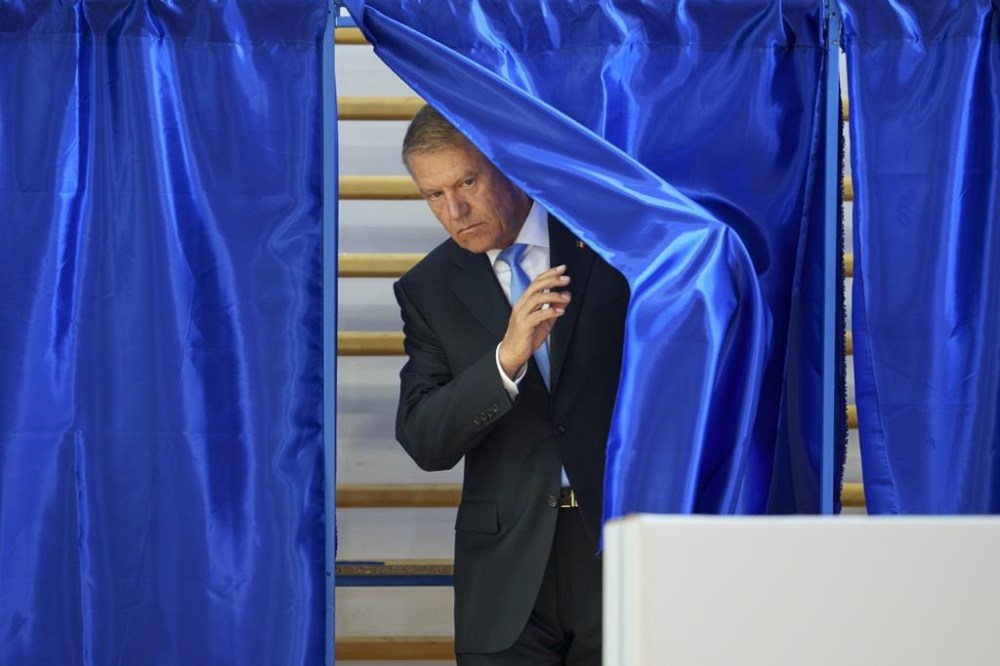
BRUSSELS (AP) — Romania’s president has withdrawn from the race to become NATO’s next secretary general, leaving outgoing Dutch Prime Minister Mark Rutte all but certain to head the world’s biggest military organization from October.
The office of President Klaus Iohannis said in a statement that Romania’s security council has backed Rutte’s bid. It also said that Iohannis had informed NATO late last week that he intended to pull out.
His withdrawal removes the last real hurdle Rutte might face. It should allow NATO to put on a show of unity and demonstrate solidarity with war-ravaged Ukraine when U.S. President Joe Biden and his counterparts meet in Washington on July 9-11 to mark NATO’s 75th birthday.
NATO secretaries-general are responsible for chairing meetings and guiding sometimes delicate consultations among the 32 member countries to ensure that an organization that operates on consensus can continue to function.