
EU chief von der Leyen calls for EU security mechanism to respond to drone incidents and sabotage
Advertisement
Read this article for free:
or
Already have an account? Log in here »
We need your support!
Local journalism needs your support!
As we navigate through unprecedented times, our journalists are working harder than ever to bring you the latest local updates to keep you safe and informed.
Now, more than ever, we need your support.
Starting at $15.99 plus taxes every four weeks you can access your Brandon Sun online and full access to all content as it appears on our website.
Subscribe Nowor call circulation directly at (204) 727-0527.
Your pledge helps to ensure we provide the news that matters most to your community!
To continue reading, please subscribe:
Add Brandon Sun access to your Free Press subscription for only an additional
$1 for the first 4 weeks*
- Enjoy unlimited reading on brandonsun.com
- Read the Brandon Sun E-Edition, our digital replica newspaper
*Your next Free Press subscription payment will increase by $1.00 and you will be charged $20.95 plus GST for four weeks. After four weeks, your payment will increase to $24.95 plus GST every four weeks.
Read unlimited articles for free today:
or
Already have an account? Log in here »
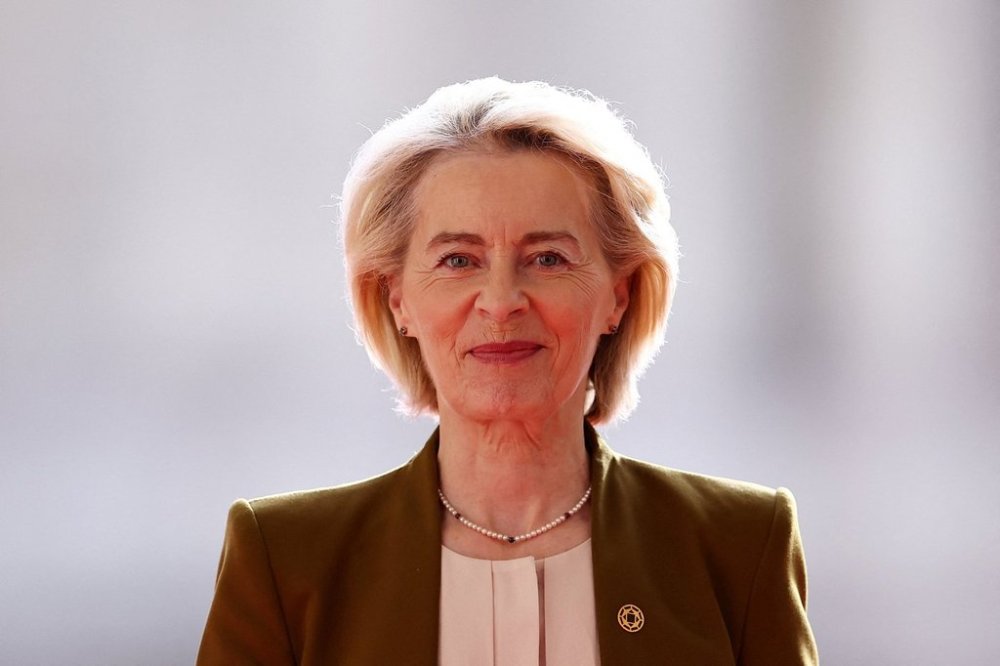
STRASBOURG, France (AP) — The European Union needs a NATO-like mechanism to better respond to drone incidents, acts of sabotage and cyberattacks across Europe, many of them blamed on Russia, European Commission President Ursula von der Leyen said Wednesday.
“Europe needs its own counter-hybrid playbook. We urgently need a consensus on how to respond to certain incidents,” von der Leyen said, particularly for acts that “fall below armed aggression but clearly threaten our national security.”
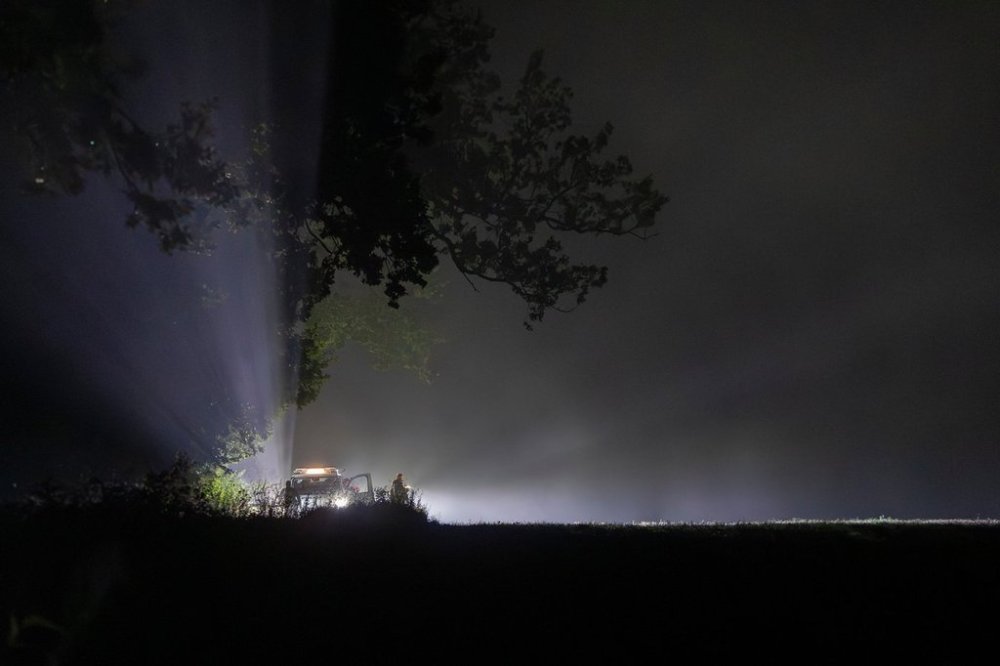
Officials in Germany, Denmark, Poland have in recent weeks accused Russia of involvement in drone incursions, sabotage, arson, surveillance of defense facilities and planning to use a drone carrying explosives to attack an airport.
Italian fighter jets working with NATO shot down a drone over EU member Lithuania earlier this week, the first time one has been downed in its airspace. It was believed to have entered from Russia’s ally, Belarus.
But Europe and NATO are struggling to know how best to respond to acts that fall short of outright aggression.
Von der Leyen said that the system should be similar to Article 4 of NATO’s founding treaty, which allows countries believing that their territory is under threat to convene emergency meetings.
“When triggered by one member state, all member states would convene, to coordinate a European response, to deter further escalation, and to mitigate the impact,” she said.
NATO’s Article 4 is separate from Article 5, the collective security guarantee that obliges all member countries to come to the aid of an ally under attack.
Von der Leyen also said that the EU commission will also “set out our ideas to make a European Security Council a reality.” It would involve other international partners like Britain, Canada, Norway and Ukraine, she said. No details were provided.