
The War From Here — Don’t like daylight savings? Blame the Kaiser
City scraps daylight saving time after two months
Advertisement
Read this article for free:
or
Already have an account? Log in here »
We need your support!
Local journalism needs your support!
As we navigate through unprecedented times, our journalists are working harder than ever to bring you the latest local updates to keep you safe and informed.
Now, more than ever, we need your support.
Starting at $15.99 plus taxes every four weeks you can access your Brandon Sun online and full access to all content as it appears on our website.
Subscribe Nowor call circulation directly at (204) 727-0527.
Your pledge helps to ensure we provide the news that matters most to your community!
To continue reading, please subscribe:
Add Brandon Sun access to your Free Press subscription for only an additional
$1 for the first 4 weeks*
- Enjoy unlimited reading on brandonsun.com
- Read the Brandon Sun E-Edition, our digital replica newspaper
*Your next Free Press subscription payment will increase by $1.00 and you will be charged $20.95 plus GST for four weeks. After four weeks, your payment will increase to $24.95 plus GST every four weeks.
Read unlimited articles for free today:
or
Already have an account? Log in here »
Hey there, time traveller!
This article was published 19/03/2016 (3713 days ago), so information in it may no longer be current.
Last weekend’s time change has many asking the perennial question: why do we do this to ourselves?
In the case of Brandon, we can go back to 1916.
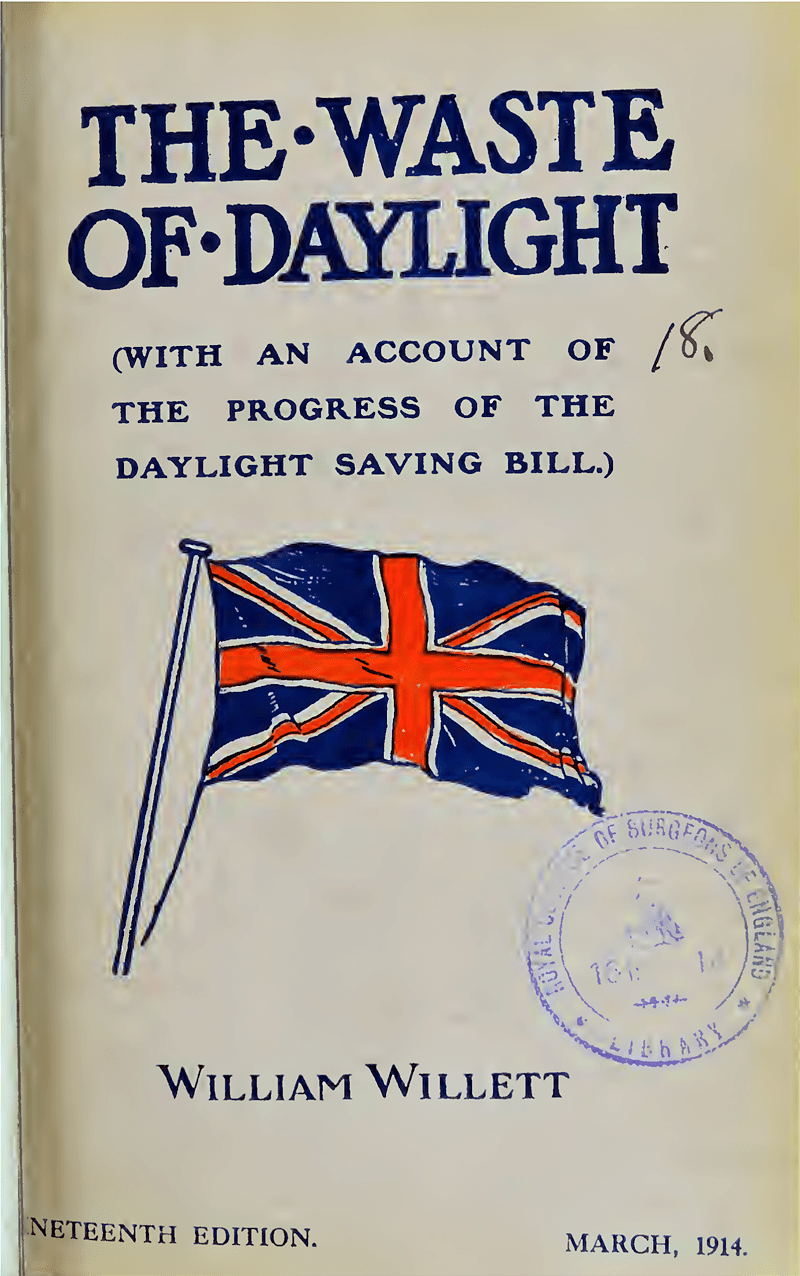
Daylight saving time (DST), like rationing and income tax (stories for another day), was introduced as a “temporary” wartime measure in the First World War.
And, yes, U.S. President George W. Bush did meddle with DST when he introduced legislation, enacted in 2007, which had North Americans moving their clocks forward to the second Sunday in March rather than in April.
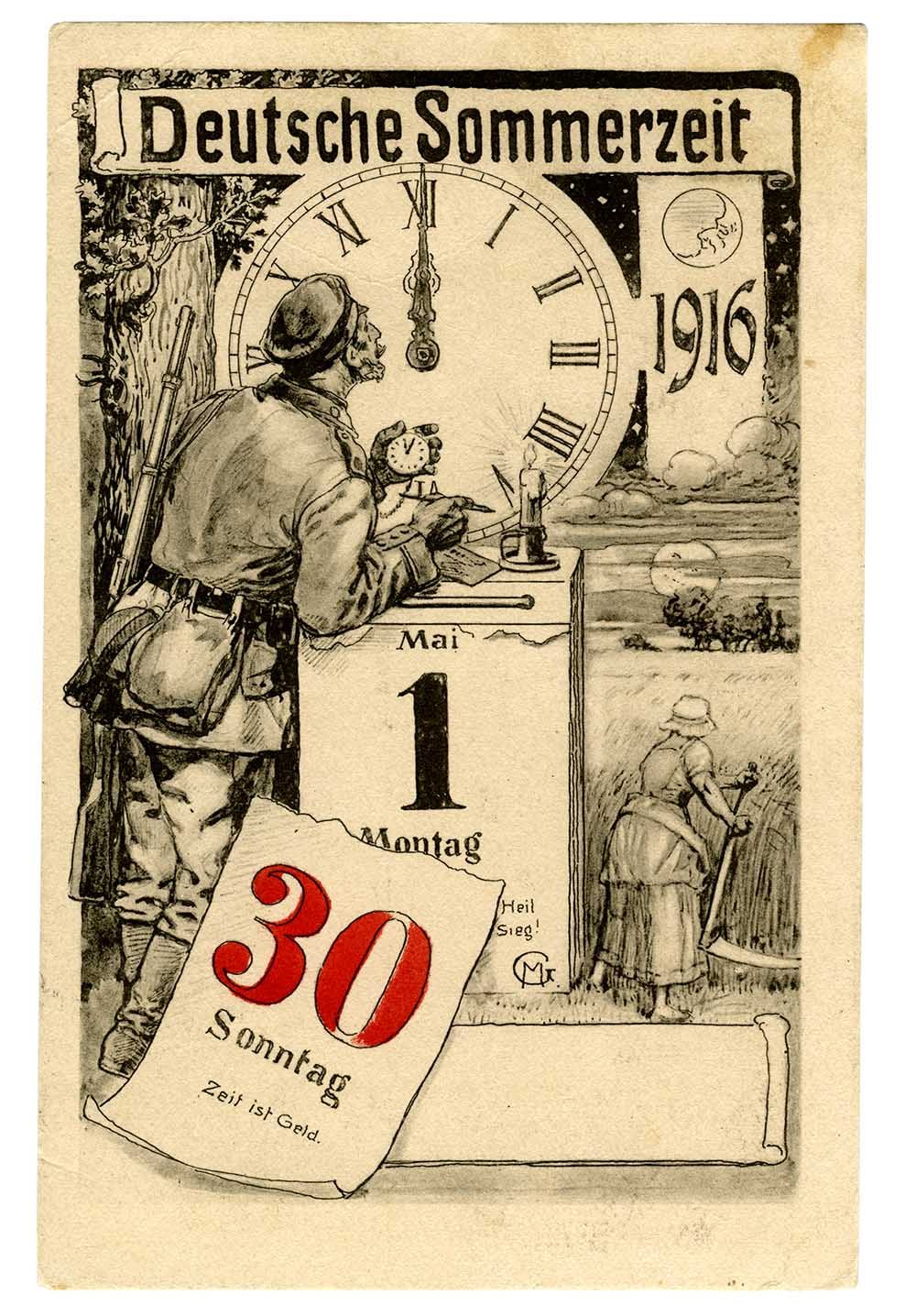
This April will mark the centennial of Kaiser Wilhelm’s introduction of DST, known as Sommerzeit. The Germans employed it as an energy-saving measure to cut down on the consumption of coal. The Allies followed suit.
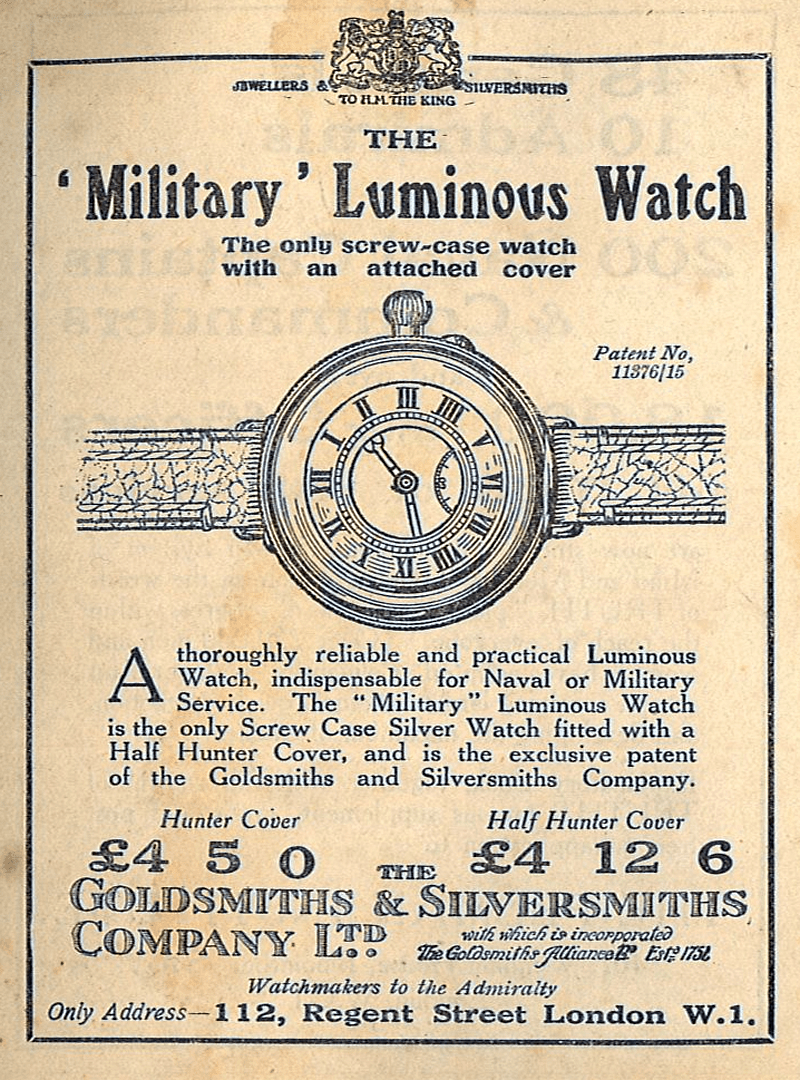
Soldiers on the front were making another adjustment. They were now wearing wristwatches rather than carrying a traditional pocket watch with fob. The command, “Gentleman, synchronize your watches,” became common on the front and at home.
What may be little known to Brandonites, however, is that Brandon is one of the earliest cities to have implemented DST. It did so, albeit briefly, in 1916. In fact, Brandon commenced DST on April 22, 1916, one week before Germany instituted its Sommerzeit in Europe. (The Dominion of Canada would not pass DST legislation until 1918.)
The first Canadian location with DST was Thunder Bay, Ont. (formerly Port Arthur and Fort William) in 1908 followed by Regina in 1914 and Winnipeg in 1916. While Brandon debated the merits of DST, newspaper editors from Fort William and Port Arthur cheekily noted that had Brandon implemented DST in its early days, its citizens could have enjoyed the equivalent of two full years of holidays in extra daylight hours.
The DST “scheme” gained traction in Brandon at the end of February 1916. Winnipeg had made overtures to Brandon city council, but the latter voted against the proposal, believing DST to be merely a “fad.”
Winnipeg narrowly voted in favour of the daylight saving bylaw on March 22. That day a Brandon petition began in earnest to adopt the same measures as Winnipeg, which would see DST begin April 22 and end the last Sunday of September.
Spearheading the petition was Charles Lafayette Comings, the manager of the Brandon Pioneer Fruit Co.
According to his U.S. Consular Registration Certificates, Comings arrived in Brandon on July 17, 1907. The Henderson’s directories initially listed him as a cashier with the fruit company but he quickly rose through the ranks, becoming a manager by 1911.
Local newspaper accounts reported Comings restricted signatures on his petition to those representing major business firms. The school board, Vacant Lots Association, and many athletic clubs and teams provided hearty endorsements for DST. Golfers and lawn bowlers were particularly enthusiastic.
Comings presented his petition to city council on April 3, and the finance committee accepted it for review.
It was argued that if Brandon accepted the daylight saving proposal, residents could expect to “gain” 183 hours of sunlight. Reducing costs associated with artificial lighting, increasing the “enjoyment of life” through sport and hobbies, improving one’s health and homes and gardens, increasing efficiency and decreasing eye strain were the extolled benefits of DST.
These benefits were particularly significant for the average worker, whose working day was over at six o’clock in the evening. As well, the 99th Manitoba Rangers anticipated extended open air training time for drills, while ball teams looked forward to playing past the seventh inning in the evenings.
Although Mayor Cater disapproved, city council passed the Daylight Saving bylaw on April 18 with the intent to move clocks forward that Sunday. Unfortunately for the proponents of DST, Brandon experienced severe inclement weather the following week. Consequently, a few citizens began agitating for a repeal of the bylaw.
Initially, city council stood firm by its decision not to revisit the DST issue and argued a fair trial period was required to assess the “city time.” The campaign to repeal DST, however, grew heated as theatre owners and hotel/bar owners complained of lost revenues. The “new” time did not apply to railway schedules and thus farmers could not complete their business transactions within the “new” day.
Two months later, on June 24, 1916, Mayor Cater issued a proclamation that city clocks return to Standard Time. According to the editors of the Brandon Daily Sun, the interests of a few prevailed over the wishes of the majority.
Like daylight saving time itself, the implementation of time change legislation would spring forward and fall back with policy-makers in war and peace throughout the century.
» Suyoko Tsukamoto is a Brandonite who has spent three seasons in the archeology field at the Camp Hughes National Historic Site.