
First World War remains identified as Manitoban
Advertisement
Read this article for free:
or
Already have an account? Log in here »
We need your support!
Local journalism needs your support!
As we navigate through unprecedented times, our journalists are working harder than ever to bring you the latest local updates to keep you safe and informed.
Now, more than ever, we need your support.
Starting at $15.99 plus taxes every four weeks you can access your Brandon Sun online and full access to all content as it appears on our website.
Subscribe Nowor call circulation directly at (204) 727-0527.
Your pledge helps to ensure we provide the news that matters most to your community!
To continue reading, please subscribe:
Add Brandon Sun access to your Free Press subscription for only an additional
$1 for the first 4 weeks*
- Enjoy unlimited reading on brandonsun.com
- Read the Brandon Sun E-Edition, our digital replica newspaper
*Your next Free Press subscription payment will increase by $1.00 and you will be charged $20.95 plus GST for four weeks. After four weeks, your payment will increase to $24.95 plus GST every four weeks.
Read unlimited articles for free today:
or
Already have an account? Log in here »
Hey there, time traveller!
This article was published 05/11/2014 (4219 days ago), so information in it may no longer be current.
A fifth unidentified Canadian soldier from the First World War has been identified.
The federal National Defence Department said today that remains found in Hallu, France in 2006 and 2007 are Private Sidney Halliday. Four other remains found at the same time were previously identified.
The department and the Canadian Armed Forces are now working with the families of Halliday and four other soldiers and the Commonwealth War Graves Commission to find a final resting place for all of them.
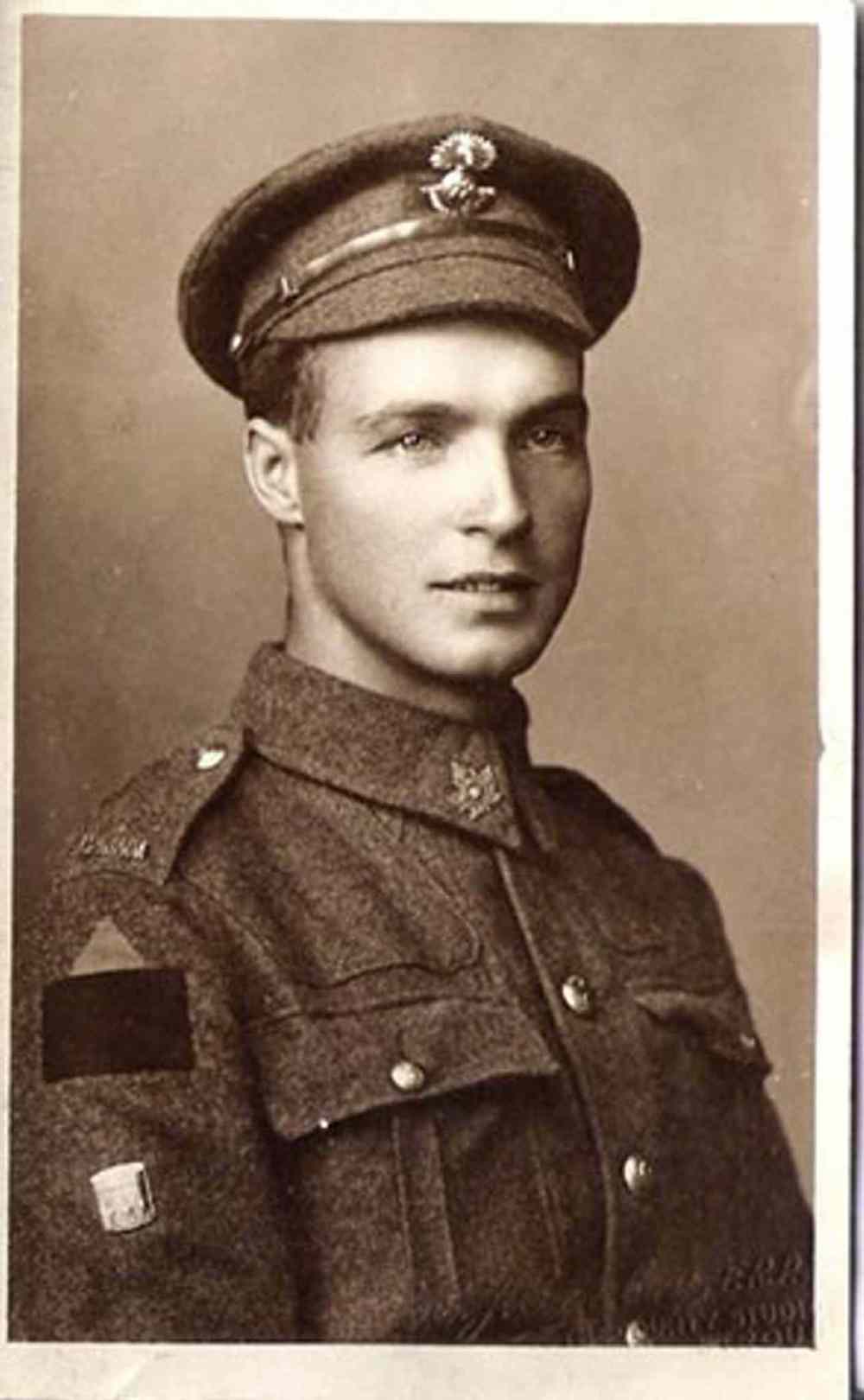
Halliday, 22, moved to Manitoba in 1915, and fought with the 78th Battalion, also known as the Winnipeg Grenadiers.
A press release says the Grenadiers were to relieve the 3rd Division following the first attack of the Battle of Amiens. On Aug. 10, the 78th Battalion received orders to capture the small village of Hallu, located in the Somme region of France. During the advance, the 78th Battalion suffered over 46 fatalities and 54 missing, of whom 30 presently remain ‘missing’ with no known grave.