
Tory lead could shrink if Trudeau leaves office
Advertisement
Read this article for free:
or
Already have an account? Log in here »
We need your support!
Local journalism needs your support!
As we navigate through unprecedented times, our journalists are working harder than ever to bring you the latest local updates to keep you safe and informed.
Now, more than ever, we need your support.
Starting at $15.99 plus taxes every four weeks you can access your Brandon Sun online and full access to all content as it appears on our website.
Subscribe Nowor call circulation directly at (204) 727-0527.
Your pledge helps to ensure we provide the news that matters most to your community!
To continue reading, please subscribe:
Add Brandon Sun access to your Free Press subscription for only an additional
$1 for the first 4 weeks*
- Enjoy unlimited reading on brandonsun.com
- Read the Brandon Sun E-Edition, our digital replica newspaper
*Your next Free Press subscription payment will increase by $1.00 and you will be charged $20.95 plus GST for four weeks. After four weeks, your payment will increase to $24.95 plus GST every four weeks.
Read unlimited articles for free today:
or
Already have an account? Log in here »
Hey there, time traveller!
This article was published 30/03/2024 (942 days ago), so information in it may no longer be current.
The polls may be tilted in the Tories’ favour, but the Liberals still have cards to play.
Last week, the Abacus polling company revealed that 41 per cent of respondents would vote for a Conservative Party of Canada candidate if an election were held now. Just 23 per cent would vote for a Liberal Party candidate, while support for the NDP was at 19 per cent.
The Abacus numbers mirror the results of nationwide polls recently conducted by Nanos Research and Mainstreet Research.
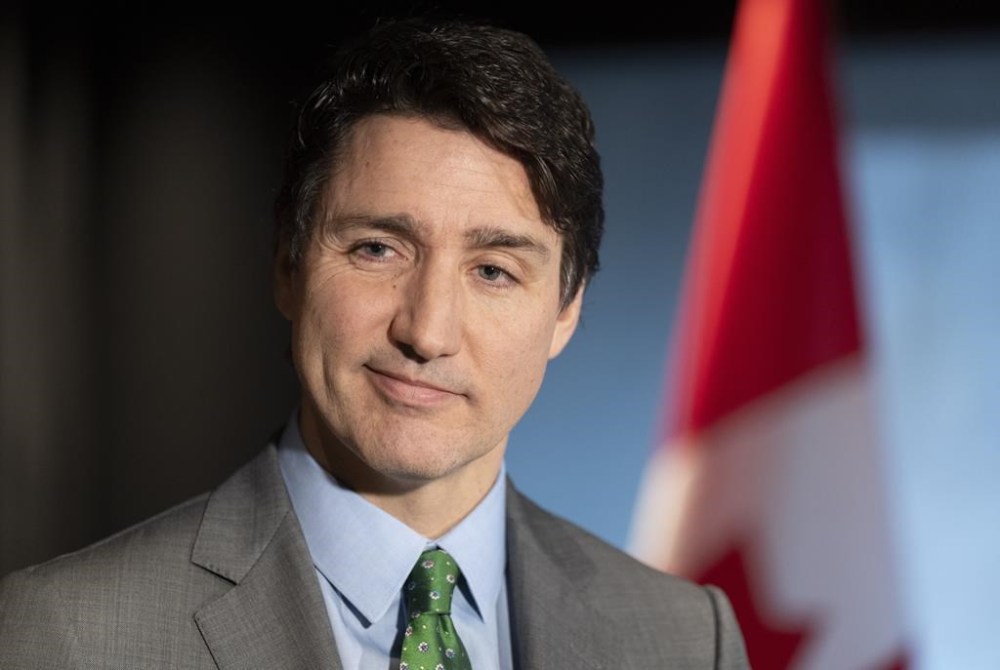
Based on all that data, the reputable 338Canada website projects that the Conservatives would win 210 seats in the next election, with Justin Trudeau’s Liberals holding just 63 seats.
Such a blowout Tory victory would rival the record-setting seat total won by Brian Mulroney’s Progressive Conservatives in 1984.
That’s impressive, but the seat projection doesn’t factor in the reality that Pierre Poilievre’s Conservatives have a massive war chest that the Mulroney Tories didn’t have.
According to Elections Canada, the Tories raised a record-setting $35 million last year, while the Liberals raised just $15.6 million. The projection also doesn’t account for the immense amount of cash held by many Conservative riding associations — in many cases, more than $100,000.
All of that money gives the Tories a huge financial advantage, enabling them to fully fund campaigns in ridings across the county. It will pay for ads, polling, focus groups, professional staff and many other campaign costs, at a level the Liberals won’t be able to match.
The seat projection also does not account for the diminished role and influence of the media in Canadian politics, compared to the 1980s.
When Mulroney won in 1984, he and his team had the support of the media throughout the country. All that favourable coverage and commentary influenced voter sentiment and contributed to the Tory momentum.
The situation is far different for today’s Tories, however. The media is far less capable of shaping public opinion now than 40 years ago.
Indeed, there have been countless news reports, columns, op-eds and editorials attacking Poilievre — for example, suggesting he is a Donald Trump disciple, alleging he supported the convoy blockades and is an anti-vax sympathizer, saying he lacks the education and job experience to be PM, calling him cruel and insensitive, questioning his honesty — yet support for the Tories continues to surge.
The more the media criticizes Poilievre, the better his party does in the polls and the more money it raises from donors.
By consistently questioning the motives, competency and credibility of the media, the Tory leader appears to have largely inoculated himself from the impact of negative news reports and opinion pieces.
Despite all of those factors being in the Conservatives’ favour, there are two things the Liberals can do to reverse the Tory tide.
First, they must do a better job of questioning what Poilievre would actually do as prime minister.
Up to now, his policy announcements have been full of bumper-sticker slogans, but short on details. He promises to deliver “powerful paycheques” for Canadians, but doesn’t explain how he would do that. He promises to balance the budget, but refuses to specify the areas where he would cut government spending.
To the extent that the Liberals can convince a large segment of Canadians that they would be hurt by the implementation of Poilievre’s agenda, and that the Tory caucus would loosen gun controls and roll back abortion rights, the Liberals might be able to reduce the Conservatives’ lead.
Second, the Liberals must recognize that today’s Conservative Party isn’t united by a collection of policies, but rather by a visceral dislike of Justin Trudeau.
Tory supporters may disagree on a range of issues, but they are united in their opinion that Trudeau must go.
Tory supporters may feel that way, but the reality for Poilievre is that he needs Trudeau to stay right where he is.
The PM gives the Conservatives their best chance of winning the next election, but the electoral math changes if the Liberal leadership changes.
Without Trudeau, the “glue” that currently unifies Tory supporters could lose its grip.
His departure as Liberal leader could cause many of those supporters — in particular, those who voted for Liberal candidates in past elections — to reconsider their support for Poilievre and his policies.
A leadership contest would take months, but the Liberals have time on their side. As long as their agreement with the NDP remains in place, it could be more than a year before the next election. That leaves ample time for a new Liberal leader to change the channel, by offering voters a new team with a new vision for the nation.
Justin Trudeau and his supporters know this, and that’s why we shouldn’t be surprised if he steps down sometime in the coming weeks.