
Rising taxes, hard questions
Advertisement
Read this article for free:
or
Already have an account? Log in here »
We need your support!
Local journalism needs your support!
As we navigate through unprecedented times, our journalists are working harder than ever to bring you the latest local updates to keep you safe and informed.
Now, more than ever, we need your support.
Starting at $15.99 plus taxes every four weeks you can access your Brandon Sun online and full access to all content as it appears on our website.
Subscribe Nowor call circulation directly at (204) 727-0527.
Your pledge helps to ensure we provide the news that matters most to your community!
To continue reading, please subscribe:
Add Brandon Sun access to your Free Press subscription for only an additional
$1 for the first 4 weeks*
*Your next subscription payment will increase by $1.00 and you will be charged $20.00 plus GST for four weeks. After four weeks, your payment will increase to $24.00 plus GST every four weeks.
Read unlimited articles for free today:
or
Already have an account? Log in here »
Brandon’s home and business owners have every right and reason to feel confused and anxious over the prospect of significantly higher property taxes bills arriving in their mailboxes a few weeks from now.
Last month, Mayor Jeff Fawcett told this newspaper that he anticipated a city property tax increase of approximately seven per cent. Just days later, however, he said that the increase will “probably” be higher than that percentage, and that Brandonites could see similar-sized increases for the next several years.
Those revelations were a gut-punch for cash-strapped Brandonites but then, less than three weeks ago, senior city administration officials told city council that an even higher property tax of 11.3 per cent increase is required.
A hike of that size would mean that the city’s portion of the property tax bill for an average Brandon home worth $302,500 would rise to $2,550 — an increase of about $250 from last year.
That’s just the city’s portion. Your annual property tax bill also includes taxes levied by the Brandon School Division, and those taxes are also likely to rise by a big margin. (Full disclosure: My son, Duncan, is on BSD’s board of trustees.)
In mid-November, it was reported that local property taxes could rise by 10 per cent in 2026, as the division grapples with a whopping $6.8-million increase in salary costs, caused primarily by the provincial government’s decision to standardize teacher salaries across the province.
If the province doesn’t increase its funding to the BSD to offset those salary increases, that extra cost will have to be passed on to local taxpayers via higher taxes. In fact, a report in Thursday’s paper confirmed that the province remains unwilling to provide any additional money to cover those costs.
If the proposed city and school tax increases happen as planned, the total property tax bill for an average home in Brandon will rise to more than $5,000 — a huge psychological threshold and among the highest property taxes charged by any Canadian city.
For those who pay their taxes as part of their mortgage payment, it would mean that approximately $416 of each monthly payment would go to taxes, not reducing your mortgage debt.
Could the tax increases be lowered by city council and/or the school board? For the city, possibly. For the school board, it’s less likely.
City council budget deliberations often result in the proposed tax increase being lowered, but much of this year’s planned increase is “locked in,” caused by borrowing costs associated with large capital projects, along with wage increases that were negotiated through the collective bargaining process. It is very difficult to reduce those costs.
That said, some hope of a smaller tax increase can be derived this week’s report that the province has committed to provide $1 million to the city to help lower the city’s property tax increase. That will offset the city’s proposed tax increase by approximately two per cent — assuming other expenses are not added to the budget.
The news is less hopeful with respect to the school tax increase, however. That’s because a large portion of the proposed school tax increase is caused by increased labour costs, including the higher teacher salaries, which are beyond the control of the board.
Some will likely argue that the BSD board should trim fat from elsewhere in the budget, but wages make up almost 90 per cent of the division’s operating budget. Beyond that, the division already has one of the lowest per-pupil spending levels among urban divisions in Manitoba.
All of those facts lead to three obvious questions for our local politicians to answer, with city and school board elections scheduled for later this year.
First, what proof is there that Brandonites are getting their money’s worth for the high taxes they are paying?
As discussed above, the school trustees can credibly argue they are running a lean operation, and that the province is to blame for this year’s tax increase. The city, on the other hand, must do a better job of explaining why it is necessary for city taxes to increase — and to continue rising in coming years — and how that spending will improve the lives of Brandonites.
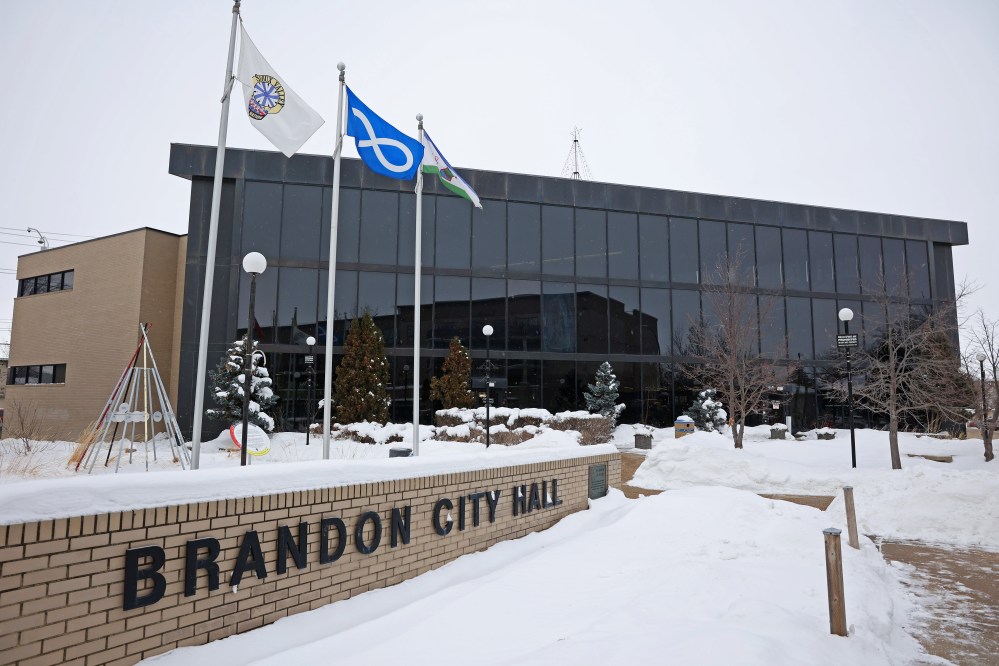
Last week’s report that the city must hire more employees or face “reputational harm” points to what many voters regard as a disconnect between city hall and ordinary Brandonites. While ordinary citizens are increasingly feeling economic pain, the money — our money — keeps flowing at Ninth and Louise.
Second, why should taxpayers continue to pay higher taxes in the Brandon, when they can live just outside the city — for example, in Souris, Alexander, Kemnay, Forrest, Chater and several other nearby communities?
A local leader recently told me that taxpayers are free to leave if they don’t want to pay higher taxes. Many Brandonites already have, many are planning to, and many more are considering that option. Our elected officials must explain why it makes sense to remain in Brandon, notwithstanding the growing tax bill.
Third and finally, how do our rising taxes impact the city’s economic development efforts, as well as our ability to recruit and retain much-need health care and other professionals?
High-demand businesses and professionals have a multitude of options when it comes to choosing where to locate. How does Brandon, a low-wage city with high tax rates, compete against more-affluent, lower-cost communities?
Those are critical questions. If you want answers, you might get them on Monday night, when city council will host a “special council meeting” at 7 p.m. to discuss this year’s budget. It’s an opportunity for the public to provide their feedback on the proposed tax plan. If you want to be heard, you must register before 4 p.m. on Monday, by calling 204-729-2296. Don’t miss that opportunity.