
Bee kind to pollinators
NEELIN VIEWS
Advertisement
Read this article for free:
or
Already have an account? Log in here »
We need your support!
Local journalism needs your support!
As we navigate through unprecedented times, our journalists are working harder than ever to bring you the latest local updates to keep you safe and informed.
Now, more than ever, we need your support.
Starting at $15.99 plus taxes every four weeks you can access your Brandon Sun online and full access to all content as it appears on our website.
Subscribe Nowor call circulation directly at (204) 727-0527.
Your pledge helps to ensure we provide the news that matters most to your community!
To continue reading, please subscribe:
Add Brandon Sun access to your Free Press subscription for only an additional
$1 for the first 4 weeks*
- Enjoy unlimited reading on brandonsun.com
- Read the Brandon Sun E-Edition, our digital replica newspaper
*Your next Free Press subscription payment will increase by $1.00 and you will be charged $20.95 plus GST for four weeks. After four weeks, your payment will increase to $24.95 plus GST every four weeks.
Read unlimited articles for free today:
or
Already have an account? Log in here »
Every year on May 20, people around the world celebrate World Bee Day to recognize the importance of bees and other pollinators. Although bees are small, they play a major role in nature and in the production of food. World Bee Day helps spread awareness about the dangers bees face and encourages people to protect them.
Bees are responsible for pollinating many of the crops people eat every day. Pollination happens when bees carry pollen from one flower to another, helping plants grow fruits and vegetables. Foods such as apples, blueberries, cucumbers, almonds and pumpkins depend on bees. According to scientists, about 35 per cent of the world’s food supply relies on pollinators like bees (usda.gov/about-usda/general-information/initiatives-and-highlighted-programs/peoples-garden/importance-pollinators). Without them, many foods would become harder to grow, more expensive, and less available.
World Bee Day was introduced as an international event by the United Nations in 2017. The day honours Anton Janša, a famous beekeeper from Slovenia who helped improve modern beekeeping methods in the 1700s. Since then, countries around the world have celebrated the day with events that teach people about bees and the environment. Schools, farms and environmental groups often organize activities such as planting flowers, visiting beehives and sharing information about pollinators.
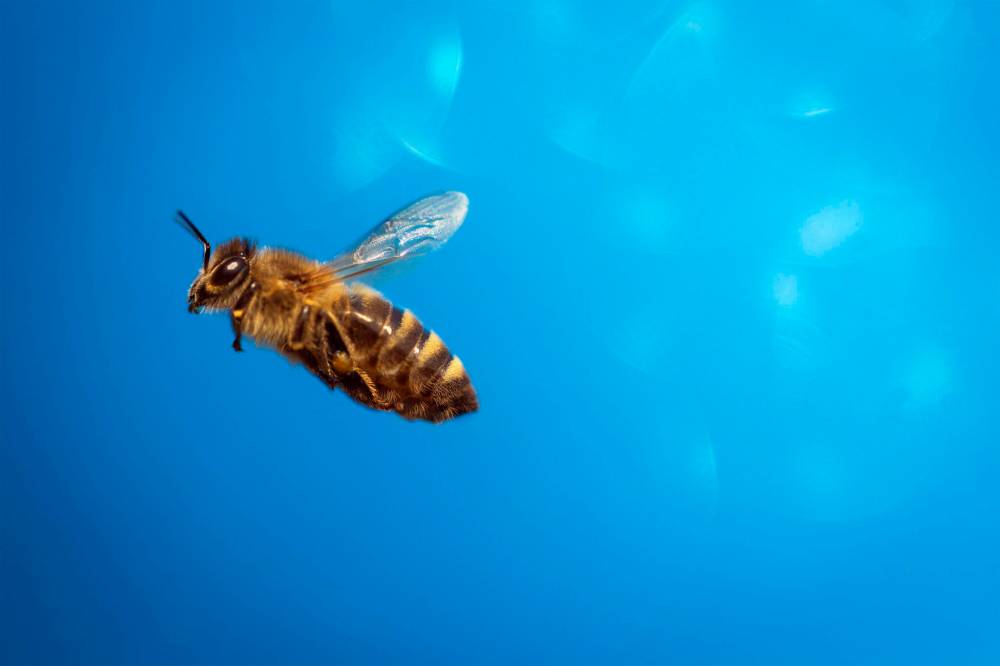
World Bee Day takes place on May 20. (The Brandon Sun files)
In recent years, the number of bees has decreased, causing concern. Experts say climate change, pollution, pesticides and habitat loss are some of the biggest threats to bees (pollinator.org/threats). Warmer temperatures and unnatural weather patterns can affect when flowers bloom, making it harder for bees to find food. In addition, many forests and fields where bees once lived are being replaced by roads, buildings and farms. Harmful chemicals used on crops can also weaken or kill bees.
Scientists and environmental groups are working to protect bee populations. Some farmers are reducing the use of pesticides and planting wildflowers near crops to give bees a safe place to feed. Beekeepers also care for honeybee colonies and help keep bee populations healthy. Organizations such as the Toronto Beekeepers Collective encourage people to support local beekeepers by buying local honey and learning more about pollination (torontobeekeeping.ca). There are also simpler ways that people can help bees in their own communities: planting flowers that attract pollinators; avoiding harmful chemicals in gardens; and creating small bee-friendly spaces can all make a difference. Even leaving patches of wild plants in a yard can provide food and shelter for bees.
World Bee Day reminds people that even the smallest creatures can have a huge impact on the planet. Bees are an important part of our ecosystems and help grow many of the foods we eat. By learning more about bees and taking a few steps to protect them, communities can help ensure that future generations continue to benefit from all that bees have to offer.
» Eleanore Wilts is a Grade 10 student at École secondaire Neelin High School.