
Learning to win: a genuine problem for Conservatives
Advertisement
Read this article for free:
or
Already have an account? Log in here »
We need your support!
Local journalism needs your support!
As we navigate through unprecedented times, our journalists are working harder than ever to bring you the latest local updates to keep you safe and informed.
Now, more than ever, we need your support.
Starting at $15.99 plus taxes every four weeks you can access your Brandon Sun online and full access to all content as it appears on our website.
Subscribe Nowor call circulation directly at (204) 727-0527.
Your pledge helps to ensure we provide the news that matters most to your community!
To continue reading, please subscribe:
Add Brandon Sun access to your Free Press subscription for only an additional
$1 for the first 4 weeks*
- Enjoy unlimited reading on brandonsun.com
- Read the Brandon Sun E-Edition, our digital replica newspaper
*Your next Free Press subscription payment will increase by $1.00 and you will be charged $20.95 plus GST for four weeks. After four weeks, your payment will increase to $24.95 plus GST every four weeks.
Read unlimited articles for free today:
or
Already have an account? Log in here »
It’s tough being a conservative party leader these days, isn’t it? Two leaders have just been tossed, one is on the ropes, and two others are in looming electoral peril. The job description fits English philosopher Thomas Hobbes’ vivid description of life in medieval times: “solitary, poor, nasty, brutish, and short.”
How much of this is conventional politics about winning and losing, and how much of this is conservative politics about policy and populism?
It’s both. And unless conservatives confront this at the grassroots, serial losing will be its new normal.
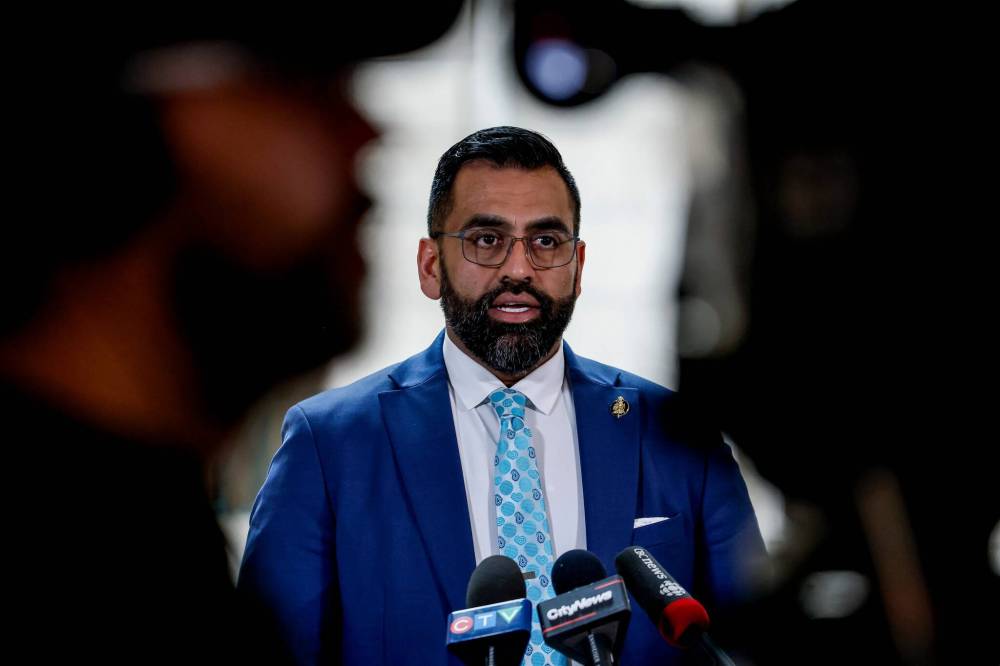
Obby Khan, who recently resigned as leader of the Manitoba Progressive Conservative Party, is just one of several prominent conservative leaders who find themselves in trouble with the public and their own parties.
(John Woods/Winnipeg Free Press files)
This cautionary tale requires its own note of caution. Conservative parties are not the same everywhere. Each face unique electoral circumstances. But common to all is an internal ideological strain between populism and pragmatism and an inability of chosen leaders to bridge internal differences and create a coherent, inclusive path forward.
The spectacularly fast fails of Kerry-Lynn Findlay in British Columbia and Obby Khan in Manitoba — resigning before even given the chance to contest a provincial election — show equal shares of political obliviousness and managerial incompetence, or is it the other way round? When your caucus votes non-confidence in your leadership, you are one or the other or, worse, both.
Meanwhile, in Alberta and P.E.I., two conservative leaders are falling out of voter favour. The island is no hotbed of political agitation, usually, but it’s the Greens who are now running first with the governing PCs in third place in two recent polls. Premier Danielle Smith’s referendum gambit might well be souring voters on her United Conservative Party’s flirtation with secession and unity at the same time; she lost a safe seat in a Calgary byelection and is showing up second in recent provincial polls behind the NDP.
As for federal Conservative leader Pierre Poilievre, every poll confirms his persistent unpopularity with voters. He continues to register a sizable leadership gap with Prime Minister Mark Carney, with new lows for his party in public opinion.
Now Poilievre has lost a second MP in less than two months (eight in total), resigning from the perennial Opposition benches to find purpose outside politics and Parliament. An election today would reduce Conservative seats in the House of Commons by half, according to polling analysis by 338Canada.
The most durable truism in Canadian politics is that governments defeat themselves. Justin Trudeau was en route to do that until Mark Carney and Donald Trump intervened. Governments and leaders wear out their welcomes doing the hard business of governing. Time would inevitably decide when it was your party’s turn.
Of late, though, we’ve seen Conservative leaders wear out their welcome in opposition, not government, and not just with voters but with party members and, crucially, caucus colleagues.
A failure to win is grounds for a leadership review by the party. But what if the problem is deeper than the leader? What if it’s the party that won’t allow itself to be led?
Then the leader needs to remake the party so it can be led and win. That is the definition of winning political leadership.
Conservative party leaders are failing on that count. Smith couldn’t or wouldn’t corral the secessionist faction within her UCP, so she caved with a referendum. Findlay catered to a culturalist faction of “faith, family, and freedom” conservatives and promptly alienated the pragmatist free-enterprise faction that historically has been the only way to beat the NDP. Khan waffled and wavered between the social conservatives of the party’s rural base and progressive conservatism of the party’s urban needs, to no avail. And Poilievre continues to wink and nod to conspiracy and culture conservatives in his caucus and party over everything from vaccines to the World Economic Forum, while remaining mostly silent on overt criticism of Trump and separatist movements.
Walking a tightrope is an essential political skill. But if the goal is simply not falling, as opposed to traversing it to get to the other side, then the leader will find him or herself perched in mid-air, swaying to the currents. That’s where Poilievre and his party are today. That’s where the now leaderless PC Party of Manitoba is today. That’s what the UCP and the BC Conservative parties will need to confront post-referendum in Alberta and post-election in British Columbia.
Two things need to happen for this to resolve itself.
First, conservative parties need to figure out who they are, what they represent, and just how important winning elections is to them. Canada is a brokerage country built on compromise and consensus. Contemporary conservatism rejects this in favour of populism and grievance politics. It is a hard sell and a long day before this can be turned into a winning majority government.
Second, there needs to be a clear break between federal and provincial conservative parties to prevent mutual brand contamination. Governing imperatives are different. Imposing conservative purity tests either upstream or downstream affects the electoral brand of the other. Why do it?
Leaders matter. But what they lead matters more. Conservatives are finding that out.
» David McLaughlin is a former clerk of the executive council and cabinet secretary in the Manitoba government. This column was first published in the Winnipeg Free Press.