
When dislikes interfere with the science
Advertisement
Read this article for free:
or
Already have an account? Log in here »
We need your support!
Local journalism needs your support!
As we navigate through unprecedented times, our journalists are working harder than ever to bring you the latest local updates to keep you safe and informed.
Now, more than ever, we need your support.
Starting at $15.99 plus taxes every four weeks you can access your Brandon Sun online and full access to all content as it appears on our website.
Subscribe Nowor call circulation directly at (204) 727-0527.
Your pledge helps to ensure we provide the news that matters most to your community!
To continue reading, please subscribe:
Add Brandon Sun access to your Free Press subscription for only an additional
$1 for the first 4 weeks*
- Enjoy unlimited reading on brandonsun.com
- Read the Brandon Sun E-Edition, our digital replica newspaper
*Your next Free Press subscription payment will increase by $1.00 and you will be charged $20.95 plus GST for four weeks. After four weeks, your payment will increase to $24.95 plus GST every four weeks.
Read unlimited articles for free today:
or
Already have an account? Log in here »
Hey there, time traveller!
This article was published 02/03/2021 (2027 days ago), so information in it may no longer be current.
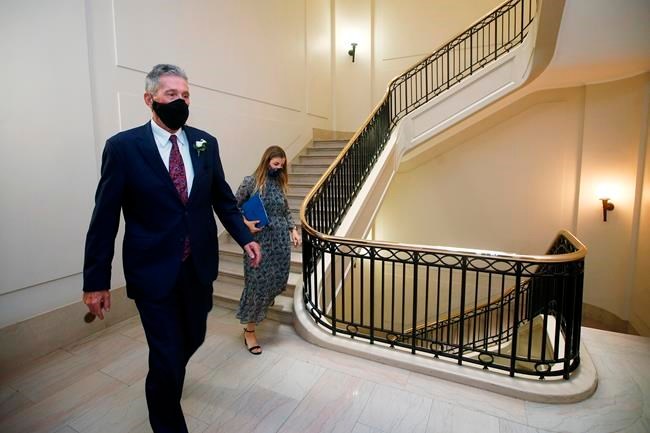
“If there’s science behind it, if it makes sense, we should proceed co-operatively to follow the science.”
— Manitoba Premier Brian Pallister
“Unfortunately, Mr. Pallister has politicized his relationship with the Métis people in Manitoba. And I think, in this instance, it’s getting in the way of public health.”
— NDP Leader Wab Kinew
There was always going to be hurt feelings, indignation, anger and resentment in Canada’s vaccination rollout. It was inevitable, mostly because those groups of people who are most at risk of serious illness and death due to the spread of the coronavirus were to be given vaccine priority, setting the stage for problems right from the get-go.
Reasonable people in our society can understand that some populations in our country and our province are more vulnerable than others, and should be given that priority without hesitation — seniors and those with underlying health conditions; those without adequate housing or who are fully homeless; those who live in overcrowded or in communal living conditions; and those in essential occupations who, through their employment, have direct contact with members of the public.
These are solid choices when it comes to creating vaccination plans for our society — realistic and logical choices — and so long as our political classes follow the science and statistics that prove these priorities are necessary, they’re also defendable.
But when provincial governments veer away from what the science and the numbers are telling us on such policy matters, the choices they make become decidedly political, open to interpretation, and thus highly questionable.
Last week Wednesday, the province of Manitoba began immunizing members of the general public who are age 95 and older, as well as members of First Nations aged 75 and older. This age difference, media were told, is because First Nations people have been more affected by the pandemic than much of the rest of the population.
But as media reported last week, the province’s vaccination plans for Manitoba’s Indigenous population did not specifically include Métis and Inuit populations. These are curious omissions, and given the rather obvious mutual disdain that Premier Brian Pallister and MMF president David Chartrand have for each other, it’s not much of a leap to imagine that the premier is playing politics with the vaccine rollout.
Just yesterday, the Sun was forwarded a copy of a letter address to Pallister from federal Northern Affairs Minister Dan Vandal, who reminded our premier that “Indigenous peoples disproportionately face poorer health outcomes, which includes Métis and Inuit, making them more vulnerable to COVID-19.”
Vandal’s letter also notes that the National Advisory Committee on Immunization (NACI) has made it clear that First Nations, Métis and Inuit communities should be prioritized to receive initial doses of COVID-19 vaccines.
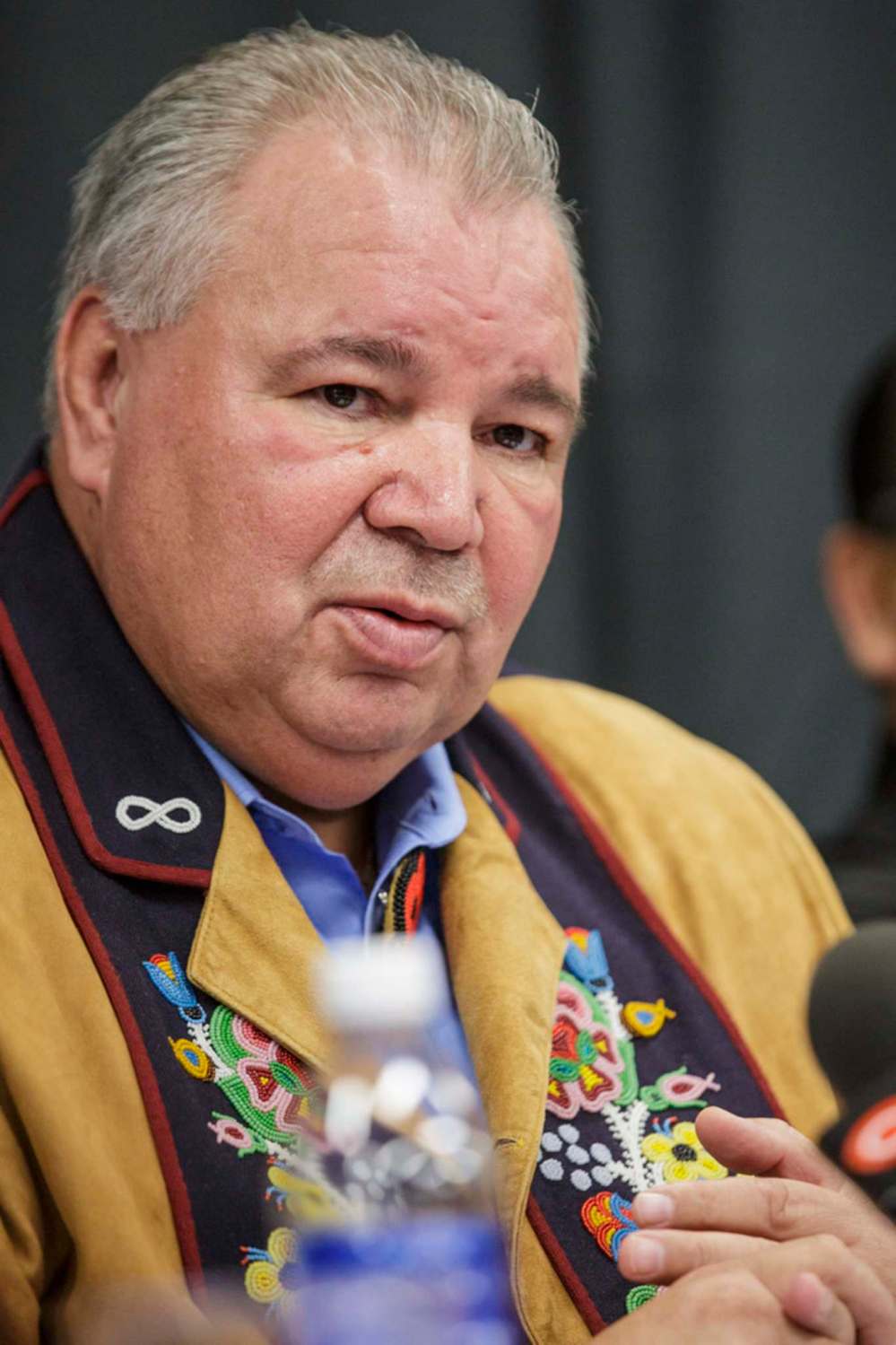
“It is clear to me that, despite earlier assertions that the Manitoba Metis Federation would be involved in vaccine planning and distribution for Métis within the province,” Vandal wrote, “there remains unresolved issues.”
There’s an understatement.
At a time when all of the other Western Prairie provinces have made Métis populations a priority, Manitoba’s decision to leave them off the priority list sticks out like a sore thumb. And Mr. Pallister’s assertion that his government would “follow the science” rings hollow when the science has already shown that Métis populations in the province have higher disease rates compared to other Manitobans. At least two studies have already addressed this question — a fact that we have noted on this page previously.
It’s notable that the province’s public brief issued yesterday, entitled “COVID-19 Infections in Manitoba: Race, Ethnicity, and Indigeneity,” somehow failed to include Métis and Inuit in the documentation, save for an uninformative and seemingly unrelated footnote in one of the bar graphs. That brief and the accompanying external report were supposed to give the public an explanation of the data collected by the province regarding the infection rates among various populations in the province, and why the province was prioritizing these groups.
For the province to assert that Manitoba does not have the same access to Métis population data in this province seems disingenuous, if not outright false. Whatever internal calculations the government may be making, on the outside at least, it appears that our provincial government is letting the personal dislikes of a sitting premier interfere with good governance.
This should not become a political fight for the provincial Tories, because it’s not a fight they will win.