
NCAA sues Ohio governor over his executive order allowing schools to ignore new eligibility rule
Advertisement
Read this article for free:
or
Already have an account? Log in here »
We need your support!
Local journalism needs your support!
As we navigate through unprecedented times, our journalists are working harder than ever to bring you the latest local updates to keep you safe and informed.
Now, more than ever, we need your support.
Starting at $15.99 plus taxes every four weeks you can access your Brandon Sun online and full access to all content as it appears on our website.
Subscribe Nowor call circulation directly at (204) 727-0527.
Your pledge helps to ensure we provide the news that matters most to your community!
To continue reading, please subscribe:
Add Brandon Sun access to your Free Press subscription for only an additional
$1 for the first 4 weeks*
- Enjoy unlimited reading on brandonsun.com
- Read the Brandon Sun E-Edition, our digital replica newspaper
*Your next Free Press subscription payment will increase by $1.00 and you will be charged $20.95 plus GST for four weeks. After four weeks, your payment will increase to $24.95 plus GST every four weeks.
Read unlimited articles for free today:
or
Already have an account? Log in here »
The NCAA filed a federal lawsuit against Ohio Gov. Mike DeWine on Friday, three days after he signed an executive order giving the state’s universities the option of allowing athletes who graduated from high school in 2022 to play a fifth year in defiance of the organizations’s new eligibility rules.
NCAA President Charlie Baker said the lawsuit, filed in federal court in Ohio, was an “extraordinary step” designed to prevent DeWine from taking a step that would make it “impossible for all schools to compete on a level playing field.”
Under the order, public and private universities in Ohio can allow the Class of ’22 athletes to play, even though the NCAA’s new guidance excludes those who have already played four seasons. The rule, passed in June, is the subject of multiple court fights.
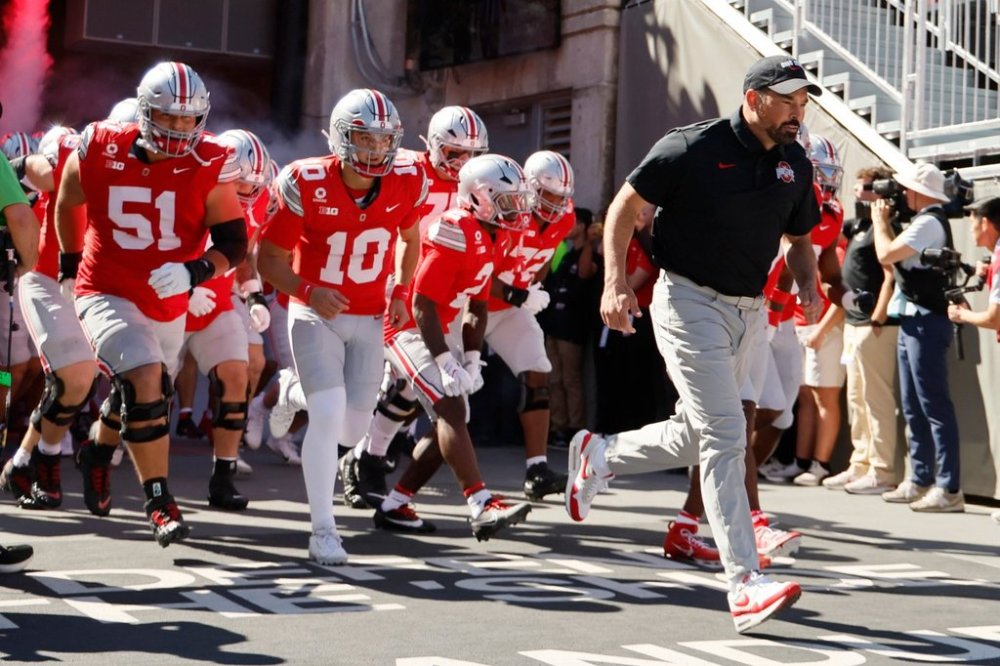
“This Complaint seeks to halt a misguided attempt to give Ohio colleges and universities an unfair, unprecedented and unwarranted competitive advantage in stadiums and arenas throughout the country,” the introduction to the lawsuit reads. “College sports, like all sports, depend on participants following the rules. (DeWine) is attempting to give Ohio institutions a hall pass to break the rules.”
DeWine’s move was the latest in what has become a daily digest of legal maneuverings that are creating new rules on a state-by-state basis.
In reaction to the governor’s move, the Ohio Supreme Court said it would step in and determine the legality of the executive order. As part of that, it paused an appeals court ruling in a case there that had declared the ’22 athletes ineligible. The court asked both sides to file briefs in the case, in which basketball player Filip Borovićanin is the lead plaintiff, by next Monday.
Baker said the NCAA did not believe the Supreme Court’s order did, in fact, declare those players immediately eligible to compete and said it would submit arguments in that case by Monday.