
Let’s care more for the people who care for us
Advertisement
Read this article for free:
or
Already have an account? Log in here »
We need your support!
Local journalism needs your support!
As we navigate through unprecedented times, our journalists are working harder than ever to bring you the latest local updates to keep you safe and informed.
Now, more than ever, we need your support.
Starting at $15.99 plus taxes every four weeks you can access your Brandon Sun online and full access to all content as it appears on our website.
Subscribe Nowor call circulation directly at (204) 727-0527.
Your pledge helps to ensure we provide the news that matters most to your community!
To continue reading, please subscribe:
Add Brandon Sun access to your Free Press subscription for only an additional
$1 for the first 4 weeks*
*Your next subscription payment will increase by $1.00 and you will be charged $20.00 plus GST for four weeks. After four weeks, your payment will increase to $24.00 plus GST every four weeks.
Read unlimited articles for free today:
or
Already have an account? Log in here »
Hey there, time traveller!
This article was published 18/06/2022 (1351 days ago), so information in it may no longer be current.
It is the kind of letter you increasingly fear as you grow older.
A few weeks ago, a family member living in another city received a letter from his doctor, saying that the doctor would no longer be seeing patients. The letter went on to say that his name would be added to a wait list for a new doctor.
The family member who received the letter has a complicated medical history, and has been on multiple medications for a number of years. To say that a letter like this can cause immediate panic is probably an understatement.
What’s even worse, though, is when you don’t get a letter like that and only find out that your doctor has retired or moved when you try to make an appointment or have a prescription refilled. That happened to my mom twice in the years before she died.
The anxiety, helplessness and abandonment she felt each time was palpable. After numerous walk-in visits, she eventually found a doctor who cared for her in her final years. That was a matter of luck, not the result of winning the wait list lottery.
I say all of that, first, because I am sure that many Canadians have had the same thing happen to them. But I also say it because of a story that appeared in this newspaper a couple of weeks ago.
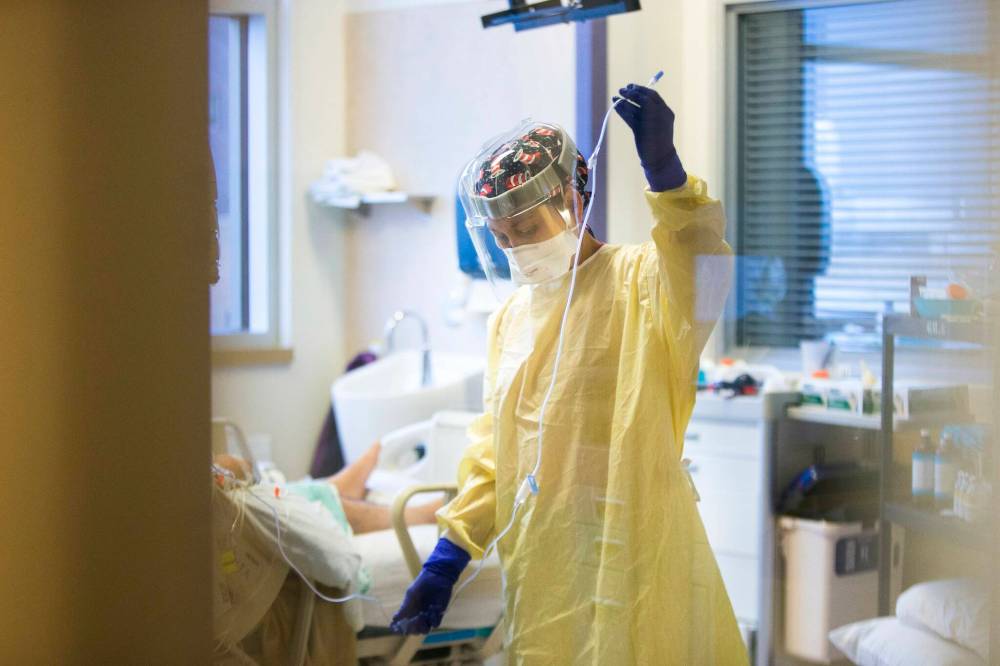
The report (“Study: Half of Prairie Mountain doctors feel burnt out,” June 3) revealed that “Almost half of the physicians in Prairie Mountain Health are reporting burnout from job demands and a lack of resources, according to the preliminary results of a study looking specifically at the health region. The study, conducted in partnership with Prairie Mountain Health and Doctors Manitoba, indicated 49 per cent of respondents reported experiencing high or very high levels of burnout.”
According to the report, reasons for the burnout include excessive job demands, such as working more than 40 hours a week, and being on call for more than 60 hours a week. “Abuse and mistreatment were also included, with 49 per cent reporting mistreatment by patients, 39 per cent by workplace colleagues and 26 per cent by workplace leadership.”
Finally, the report quoted Doctors Manitoba communications director Keir Johnson as saying that “Much of the burnout reported can be traced back to physician health and wellness. Recent incidents such as emergency room closures due to staffing issues are the end result of this burnout.”
He added that burnout among physicians was already an issue before the pandemic in Manitoba, and it’s no surprise the numbers have worsened since then.
I thought of that report when I saw a tweet on Twitter last weekend from a Calgary doctor. He said this: “Most Canadians may not realize our health-care system is sick. But the day they need care, they will.”
Earlier that day, a Toronto doctor had tweeted that “For healthcare workers who ask themselves why they are so tired at the end of the week, I would reframe the question to: what is wrong with the system that leads to this kind of exhaustion and burnout?”
That study and those tweets follow years of reports about growing shortages of doctors, nurses, therapists and other health professionals. That goes along with terrifying ER, diagnostic and therapeutic wait times that are resulting in desperately ill people not getting the care they need until it’s too late.
What can we do as ordinary Manitobans to make this worsening situation better?
Some will say a new provincial government would improve things, but remember that we also had doctor shortages, rural ER closures and some of Canada’s longest health-care wait times when the NDP were in power.
Vote however you like, but there are other things we can also do, starting with treating our health-care workers with more respect. When one of the primary causes of their burnout is the abuse and mistreatment they experience on the job, we need to do more to prevent that abuse from happening.
Second, we have to stop taking them for granted. Nobody is forcing them to show up for high-stress work in Brandon. Never forget that they have skills that are in high demand, and they can take those skills anywhere in the world.
Third, think about what will happen if more of them decide to prioritize their own health and choose to leave the profession, work fewer hours or move to a less stressful place. If you think wait times and quality of care are serious problems now, just imagine how much worse it could get with even fewer doctors, nurses and therapists.
Fourth, we all have to stop doing things that make their lives harder. Don’t go to the ER if the problem can be addressed at a walk-in clinic. Take care of your health and show up for your tests and appointments. Don’t take risks that could put your health in jeopardy. Get vaccinated and boosted.
Fifth, let’s see things from the perspective of our health-care workers, and think about the crushing stress many of them experience every day. They don’t control our health-care system. They are trying hard to make the best of a bad situation.
Most importantly, how about we get serious about caring more about the people who care for us?
» deverynrossletters@gmail.com
» Twitter: @deverynross