
World is running out of vegetable oil
Advertisement
Read this article for free:
or
Already have an account? Log in here »
We need your support!
Local journalism needs your support!
As we navigate through unprecedented times, our journalists are working harder than ever to bring you the latest local updates to keep you safe and informed.
Now, more than ever, we need your support.
Starting at $15.99 plus taxes every four weeks you can access your Brandon Sun online and full access to all content as it appears on our website.
Subscribe Nowor call circulation directly at (204) 727-0527.
Your pledge helps to ensure we provide the news that matters most to your community!
To continue reading, please subscribe:
Add Brandon Sun access to your Free Press subscription for only an additional
$1 for the first 4 weeks*
*Your next subscription payment will increase by $1.00 and you will be charged $20.00 plus GST for four weeks. After four weeks, your payment will increase to $24.00 plus GST every four weeks.
Read unlimited articles for free today:
or
Already have an account? Log in here »
Hey there, time traveller!
This article was published 05/05/2022 (1429 days ago), so information in it may no longer be current.
It’s funny how we sometimes take the simple things in life for granted. Cooking oil is certainly one of them, though our appreciation for vegetable oil could soon reach new heights.
Prices have increased by 25 per cent just in the last six months. Palm oil went up 50 per cent, while canola oil is up 55 per cent on average. The world is slowly running out of vegetable oil.
Vegetable oils are not just about frying things — the ingredient is in many things we eat. All household kitchens and restaurants use vegetable oils. Major companies will buy vegetable oils to manufacture the food we buy daily. Pasta, cookies, chocolate, cookies, mayonnaise and many dry and baked goods contain vegetable oil; it is one of the most universal and versatile ingredients we have at our disposal.
Palm oil is the big one, given how affordable it is. Indonesia, the largest producer in the world, recently announced that the country would ban exports of palm oil, starting in late April. Indonesia accounts for 55 per cent of palm oil exports. It’s huge. Since the price of palm oil increased by 40 per cent there, the government believed it had no other choice. Malaysia, the second-largest exporter, is experiencing unprecedented labour shortages affecting palm oil production. The country accounts for nearly a third of palm oil exports, according to the Observatory of Economic Complexity.
Although many condemn the use of this oil for environmental reasons, many large companies buy the product. Nestlé, Mondelez, Ferrero — most of the big food companies need it, and we eat it every day.
For sunflower oil, the situation is even worse. Ukraine, the victim of an atrocious invasion, is the largest exporter in the world. In 2021-22, the country exported more than six million tonnes of sunflower oil, about half of the globe’s supply. Russia, responsible for another quarter of sunflower oil exports, will have difficulty finding customers due to sanctions imposed against it.
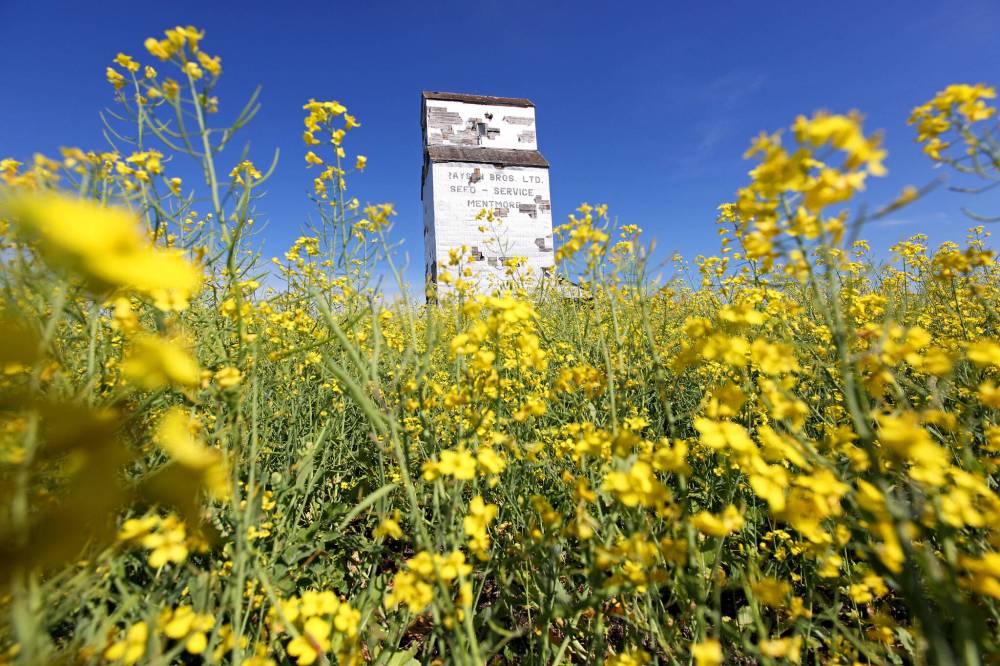
For canola oil, Canada, the largest exporter, must contend with last year’s abysmal season. The drought was so severe that our country had to import canola to meet our own demand for vegetable oil. So, there were hardly any reserves to start 2022.
And finally, there is soybean oil, with Argentina, Paraguay and Brazil ranking among the largest exporters. The three countries were also hit by major droughts and anemic production in recent years, creating supply problems everywhere.
Even if other major vegetable oil-exporting countries like Holland and Germany have good harvests in 2022, it will not be enough to cover the anticipated deficit this year, and possibly not next year either. The importance of an ingredient that we have all taken for granted in our kitchens will be much more evident.
One measure that could help is to lessen the amount of vegetable oil used for energy. About 15 per cent of all vegetable oils are used to support the production of biofuels. We could perhaps see some countries divert some of that production for more cooking oils, but that’s far from a given.
As we navigate through this global food crisis, we are expecting more countries to instinctively ban exports and even hoard commodities to secure food supplies. Each decision will add more pressure to the market, raising prices across the board. Over the next several months, things will most certainly get to a point where many will experience famine or acute hunger — perhaps more than 100 million people. Devastating.
Despite all of this, as Canadians, we’re the lucky ones. If your grocer is rationing vegetable oil, don’t be surprised. As consumers, we should feel lucky just to have access to some vegetable oils.
» Sylvain Charlebois is a professor at Dalhousie University and the senior director of the Agri-Food Analytics Lab. His column above appeared first appeared in the Toronto Star.